

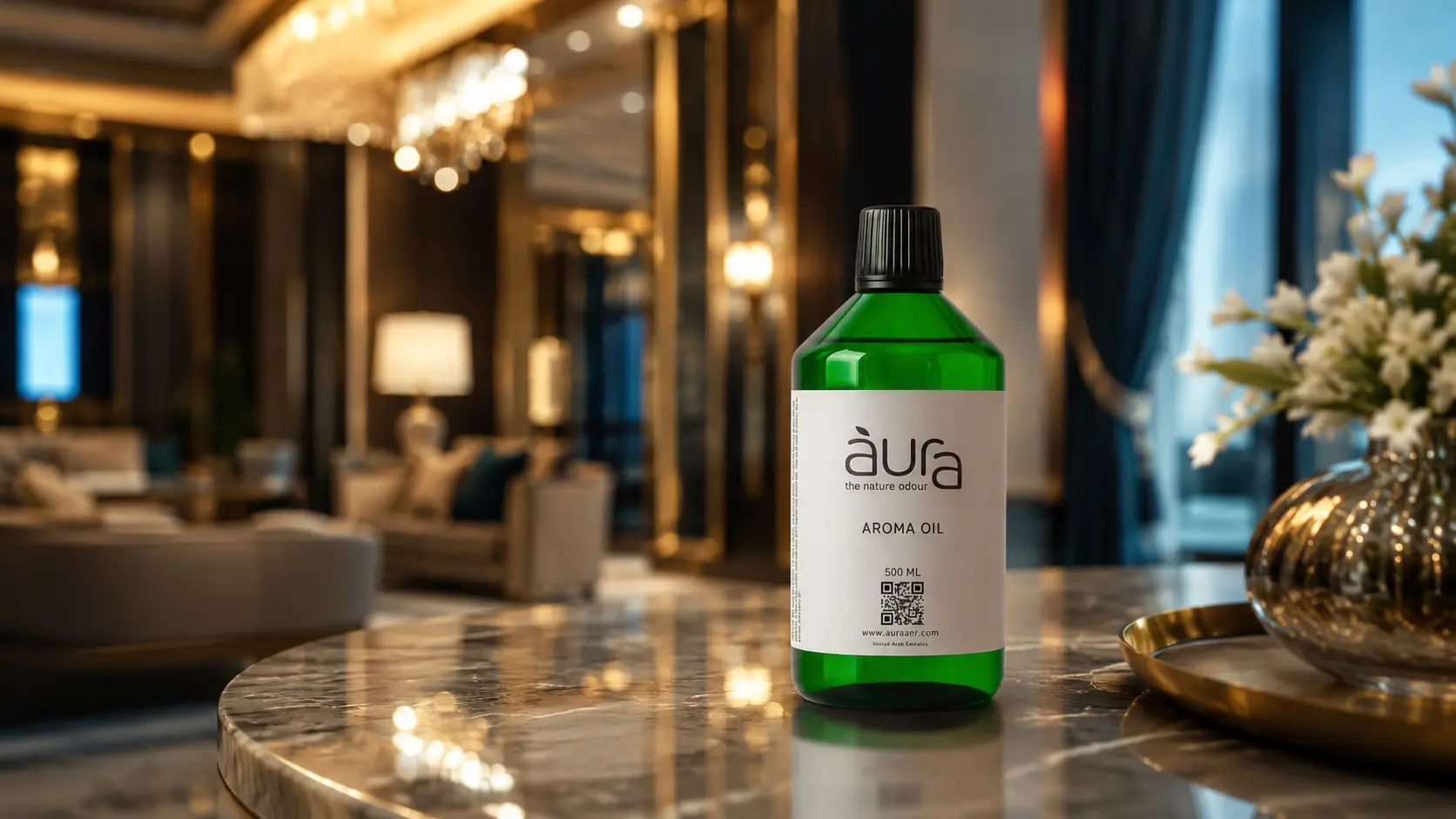
Most cold-air diffuser owners go through oil faster than they expected.
They fill the reservoir, run the device, and two weeks later the tank is empty. They do the maths and realise they are spending more on oil than they planned. Either they buy more oil and accept the cost, or they start running the device less and lose the experience they wanted in the first place.
There is a third option that most people never consider — using the oil more efficiently without changing how often or how long the diffuser runs.
Cold-air diffusers have a specific characteristic that makes oil efficiency genuinely improvable through better usage habits. The amount of oil consumed is directly linked to intensity settings, cycle timing, and room conditions. Adjust those three variables correctly and the same amount of oil lasts significantly longer while delivering the same or better scent experience.
Here is exactly how to do it.
Why Cold-Air Diffusers Consume More Oil Than You Expect
Cold-air diffusers use pure undiluted oil. Unlike water-based devices where the oil is a small fraction of a water-heavy mixture, cold-air systems atomise the oil directly. Every session consumes real oil volume.
This is not a flaw. It is the reason cold-air diffusion delivers genuine fragrance coverage across large UAE spaces. But it does mean that running the device inefficiently costs significantly more oil than running it well.
The three things that drive unnecessary oil consumption are running at higher intensity than the room requires, running continuously rather than on cycles, and running the device when nobody is in the room to benefit from it.
Each of these is easy to fix without reducing your scenting experience at all.
Fix One — Match Intensity to the Room
Most people set their cold-air diffuser to a higher intensity than the room actually needs.
The instinct makes sense. A stronger setting feels like more fragrance. But olfactory adaptation means that after fifteen to twenty minutes of continuous exposure your nose stops registering the scent regardless of the intensity level. A higher setting does not produce a stronger ongoing experience. It produces more oil consumption with the same perceived result after the first twenty minutes.
The correct intensity for most UAE home spaces is lower than most people use.
For a bedroom or home office under 40 square meters, 20 to 30 percent intensity is sufficient for a noticeable, pleasant ambient scent.
For a living room of 40 to 80 square meters, 30 to 45 percent delivers even coverage without waste.
For a large open-plan villa space above 80 square meters, 50 to 60 percent is appropriate.
Running at these levels rather than full intensity reduces oil consumption significantly while producing the same ambient result. The room smells exactly the same to someone walking in. You simply use considerably less oil to achieve it.
Fix Two — Use a Cycle Schedule Instead of Continuous Operation
This is the single most effective change you can make to extend oil life.
Running a cold-air diffuser continuously for eight hours consumes eight hours worth of oil. But because olfactory adaptation kicks in after fifteen to twenty minutes, you are only actually experiencing the scent benefit for the first portion of each session. The remaining time produces oil consumption without a corresponding scent experience.
A cycle schedule solves this completely. Set the device to run for 25 to 30 minutes and then pause for 15 to 20 minutes, repeating through the day via the Bluetooth or Wi-Fi app.
During the off period your olfactory receptors reset. When the cycle restarts the scent registers freshly, as if you have just walked into a newly scented room. You experience the full fragrance impact of each cycle rather than a fading background smell that your nose has stopped noticing.
The oil saving from cycle scheduling compared to continuous operation is substantial. A device running at 40 percent intensity on a 25 on and 15 off cycle through an eight-hour period uses approximately 40 percent less oil than the same device running continuously at the same intensity. The scent experience is equal or better because the fragrance feels fresh every time the cycle starts.
Fix Three — Only Run the Diffuser When You Are Present
This sounds obvious but most diffuser owners overlook it.
Running a cold-air diffuser in a room with no people in it produces no benefit whatsoever. Fragrance disperses into an empty space, settles over time, and has largely cleared by the time someone enters. The oil consumed during that period is entirely wasted.
The AuraAer range connects via Bluetooth and Wi-Fi, which means remote start is available from anywhere via the app. Use it. When you are leaving work in the evening, start the living room diffuser from your car. By the time you unlock the front door the space is already scented. You used fifteen to twenty minutes of oil to achieve a perfectly scented arrival experience instead of running the device for the eight hours you were at work.
Apply the same logic to every room. Bedroom diffuser starts when you begin your wind-down routine, not when you wake up in the morning. Office diffuser runs during your work sessions, not through lunch breaks and meetings elsewhere.
Matching device operation to actual presence is the fastest way to cut oil consumption without any change to the scenting experience.
Fix Four — Store Your Oil Correctly
Oil degradation between uses increases consumption indirectly because degraded oil performs less effectively, leading to higher intensity settings to compensate.
Cold-air diffuser oils should be stored in a cool location away from direct sunlight. Heat and UV exposure cause aromatic compounds to oxidise over time, changing the fragrance profile and reducing the oil’s performance in atomisation.
Keep bottles sealed when not in use. Do not store oil near windows, on windowsills, or in rooms that receive strong direct sunlight. A drawer or cabinet in a cool room is ideal.
Proper storage extends the effective life of each bottle and maintains the performance level that makes lower intensity settings viable.
Fix Five — Clean the Atomiser Regularly
A partially blocked atomiser produces inconsistent particle sizes. Some oil gets atomised effectively into fine particles that disperse well. Some gets released as larger droplets that settle quickly rather than staying airborne.
The result is reduced effective coverage from the same amount of oil. You compensate by increasing intensity. The oil consumption rises while the actual experienced scent quality stays flat or declines.
Regular atomiser cleaning with isopropyl alcohol every two to three weeks keeps the mechanism producing consistent fine particles at the viscosity it was designed for. The diffuser performs at its rated efficiency. Lower intensity settings achieve the same coverage. Oil lasts longer.
What This Looks Like in Practice
A typical UAE home running a cold-air diffuser with poor habits might consume a 500ml bottle of diffuser oil in three weeks. Running at full intensity continuously through the day and evening, oil stored in a warm room, atomiser uncleaned for months.
The same home with the same device, adjusted settings, cycle schedule, remote start, proper storage, and monthly atomiser cleaning will run the same 500ml bottle for six to eight weeks. The scent experience is equal or better because the fragrance feels consistently fresh rather than background noise the nose has stopped noticing.
That is a reduction in oil cost of 50 to 60 percent with no reduction in scenting quality. For a home running a quality aromatherapy diffuser, that saving is meaningful over the course of a year.
Frequently Asked Questions
How long should a bottle of diffuser oil last in a cold-air diffuser?
A 500ml bottle should last four to eight weeks with efficient usage — cycle scheduling at moderate intensity, device running only when someone is present, and proper storage. Running continuously at high intensity in an unoccupied room can consume the same bottle in two to three weeks. The difference is entirely usage pattern rather than product quality.
What intensity should I set my cold-air diffuser to save oil?
For bedrooms and small rooms under 40 square metres, 20 to 30 percent intensity is sufficient for a pleasant ambient scent. For living rooms of 40 to 80 square metres, 30 to 45 percent delivers full coverage. Running at the minimum effective intensity for your room size rather than maximum is the single most direct way to reduce oil consumption without affecting the scent experience.
Does cycle scheduling a cold-air diffuser actually save oil?
Yes significantly. A device running on a 25 minutes on and 20 minutes off schedule through an eight-hour period uses approximately 40 percent less oil than the same device running continuously at the same intensity. The scent experience is equal or better because olfactory adaptation is reset during the off period, making the fragrance register freshly each time the cycle restarts.
Why does my cold-air diffuser use so much oil?
The most common causes are intensity set higher than the room requires, continuous operation rather than cycle scheduling, running in unoccupied rooms, and a partially blocked atomiser causing inefficient atomisation. Addressing all four issues can reduce oil consumption by 50 to 60 percent without any reduction in scenting quality.
How should I store aroma oil to make it last longer?
Store aroma oil in a cool location away from direct sunlight and away from heat sources. Seal bottles tightly when not in use. Heat and UV exposure cause aromatic compounds to oxidise, degrading both the fragrance profile and the oil’s performance in cold-air atomisation. A cool drawer or cabinet maintains oil quality between uses and keeps it performing at levels that allow lower intensity settings.